Cairo AI connects workforce analytics, skills intelligence, AI training, and simulations to help organizations develop their people.
The website review directory that helps you rank on Google, ChatGPT, Claude, Gemini & Perplexity with dofollow backlinks and AI reviews.
Get a dedicated SEO review articlefor your product or service and start ranking for “your brand + review” in search results.
Get Your Review Article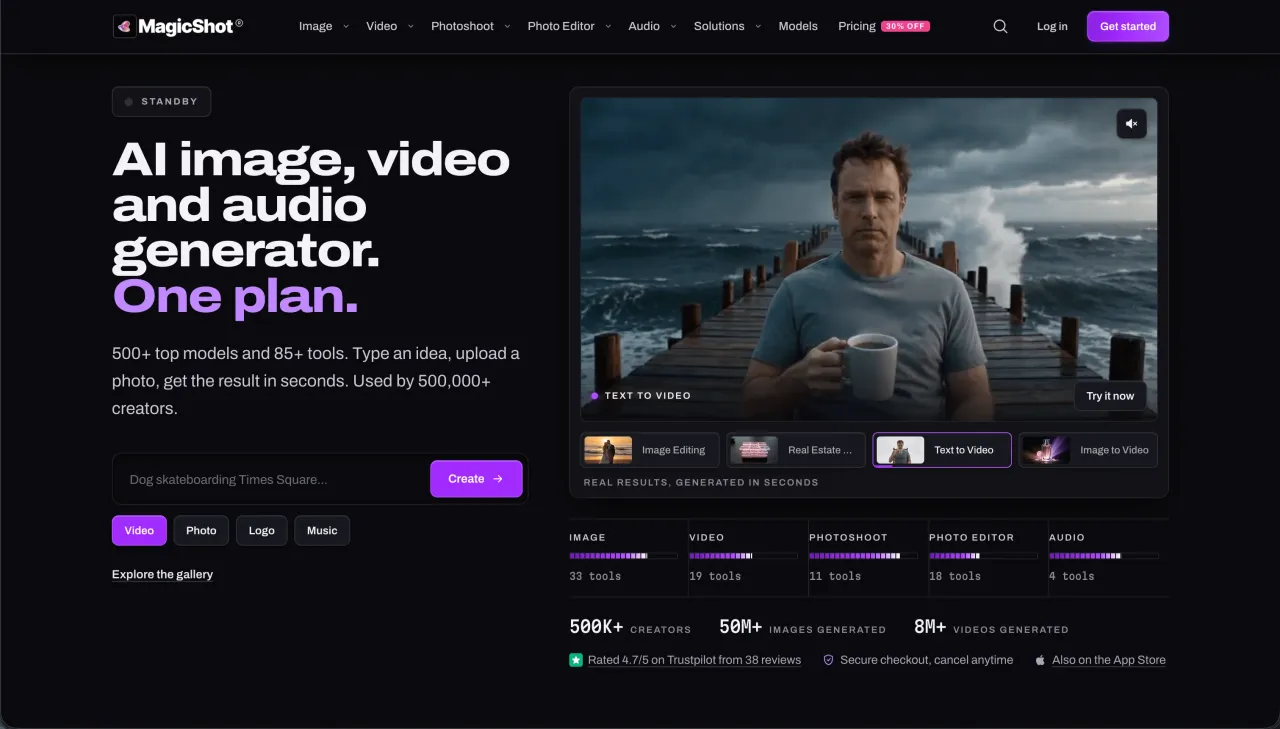
All-in-one AI creative studio with 500+ models and 85+ tools for image and video generation, AI photoshoots, photo editing and audio, under one subscription.
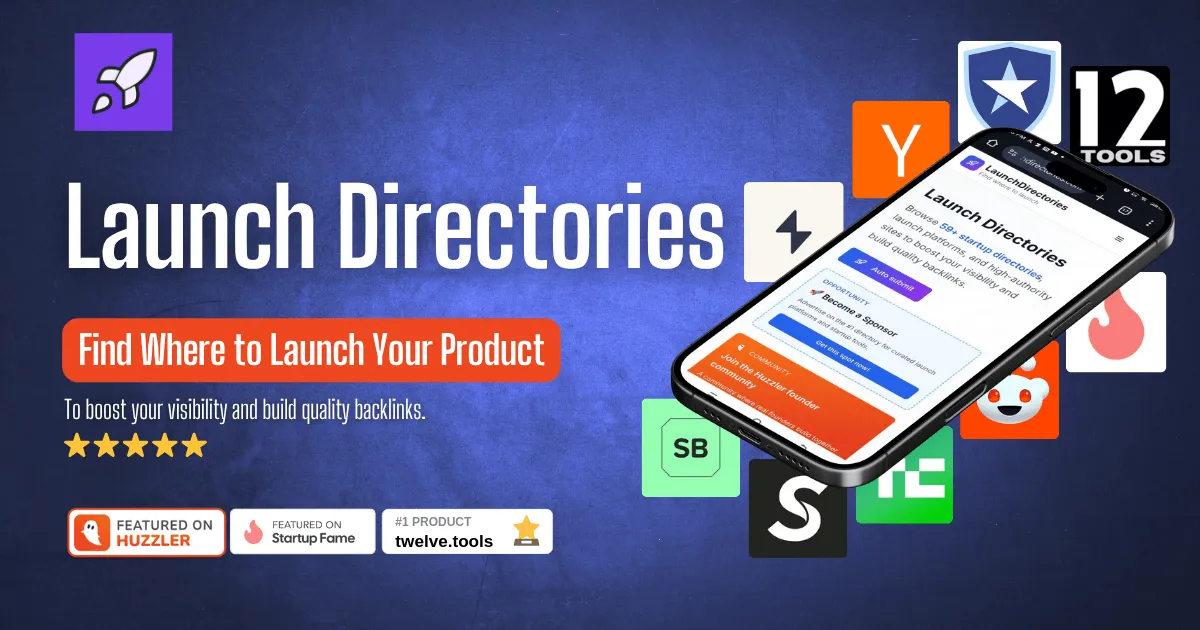
A curated database of 100+ startup directories with domain ratings, traffic stats, and dofollow data to help founders launch and build backlinks.
Cairo AI is a workforce intelligence platform that unifies workforce analytics, skills intelligence, AI training, and simulations into one connected system. It is built for organizations that want to understand what their employees can actually do, spot the gaps that matter, and close those gaps with targeted development rather than guesswork. The product lives at the intersection of HR analytics, learning and development, and talent strategy, which is a space that has traditionally been served by separate, disconnected tools.
The problem Cairo AI solves is fragmentation. Most companies stitch together an HR analytics tool, a learning management system, a skills assessment platform, and a handful of spreadsheets. Data lives in silos, insights arrive too late to act on, and training gets assigned without a clear link to business needs. Cairo AI pulls these functions into a single platform so that analytics inform training, training feeds back into skills data, and leaders get one coherent picture of their workforce.
The target audience is fairly specific: HR leaders, learning and development teams, and business executives at mid-size to large enterprises. These are organizations with enough headcount that manual tracking breaks down, but not so much bureaucracy that change is impossible. Smaller teams with simple needs will likely find the platform heavier than necessary.
The competitive landscape is crowded. Cairo AI is a solid alternative to LinkedIn Learning, Cornerstone OnDemand, and Degreed, though it leans harder into analytics and simulation than most of those tools do. Its differentiator is the integration itself, not any single feature.
The thesis here is straightforward: Cairo AI is a genuinely useful platform for companies that treat workforce development as a strategic function, but it demands real investment in data and configuration to deliver on that promise.
Cairo AI's feature set is organized around four pillars that feed into each other. Here is what each one actually does.
Getting started with Cairo AI follows a fairly standard enterprise onboarding path, but the details matter.
The learning curve is moderate. Anyone comfortable with HR software or analytics dashboards will find the interface familiar. The AI features need time and data to become genuinely useful, so organizations should plan for a ramp-up period rather than expecting instant insight.
Cairo AI's value shows up most clearly in specific, real-world situations. Here are five.
Based on what is visible on the site, Cairo AI presents a clean, modern interface that fits the current generation of enterprise software. The design leans professional rather than flashy, which is appropriate for an HR and analytics audience. Navigation appears organized around the four core pillars, so users can move between analytics, skills, training, and simulations without hunting through menus.
The dashboard approach is sensible. Visualizations like skills heatmaps and progress charts are the kind of thing that makes complex data digestible for non-technical users. The learning curve is moderate, and the platform seems to assume some familiarity with HR or analytics tools, which is a reasonable assumption for its target buyer.
There are a few rough edges worth noting. The lack of a visible self-serve demo or interactive tour makes it harder to evaluate the product before talking to sales. Mobile responsiveness is not clearly demonstrated on the site, which matters for employees who might want to complete training on a phone. Overall, the UX looks solid but not revolutionary, and the real test will be how the AI features surface insights without overwhelming users.
Cairo AI does not publish pricing on its website. Instead, the platform is sold through custom quotes based on organization size and needs, which is standard for enterprise workforce intelligence tools. Buyers should expect to contact the sales team for a demo and a tailored proposal.
That approach has trade-offs. On one hand, custom pricing lets Cairo AI fit packages to specific requirements, which can be better value for large organizations with complex needs. On the other hand, the lack of transparency is a real barrier for smaller teams that want to budget before committing to a sales conversation.
The value proposition is strongest for organizations that use the full platform. If a company replaces a standalone analytics tool, an LMS, and a skills assessment product with Cairo AI, the consolidation can justify the cost. If a company only needs one of those functions, the platform may be more than necessary. There is no free tier or clear upgrade path visible, so this is very much an enterprise purchase rather than a try-before-you-buy product.
Cairo AI fits a few specific profiles well.
On the other hand, small businesses and startups with fewer than 100 employees will likely find Cairo AI overkill. A lighter tool like a standalone LMS or a simple HR analytics product would serve them better and cost less. Companies with limited HR tech budgets should also look elsewhere, since the custom pricing and implementation effort represent a real investment.
Cairo AI's biggest strengths are its integration, its skills intelligence, and its simulation capabilities. Few platforms bring analytics, training, and simulation together this cohesively, and for organizations that need all three, that combination is genuinely hard to replicate. The AI-powered recommendations add practical value by turning data into next steps rather than leaving leaders to interpret dashboards alone.
The limitations are equally clear. Pricing is opaque, implementation requires real effort and clean data, and the platform is not built for small teams. The AI features only shine when they have enough data to work with, which means the value grows over time rather than appearing on day one.
So is Cairo AI worth it? For the right organization, yes. Cairo AI is worth trying if you run a mid-size or large company that wants one platform for workforce analytics, skills mapping, and training. Consider Cairo AI when you need to connect talent data to development in a way that spreadsheets and disconnected tools simply cannot. If you are a small team or you only need one piece of the puzzle, look at lighter options first. You can explore the platform's capabilities or learn more about Cairo AI to see whether it fits your organization.